

Should Netflix Start Streaming Music?

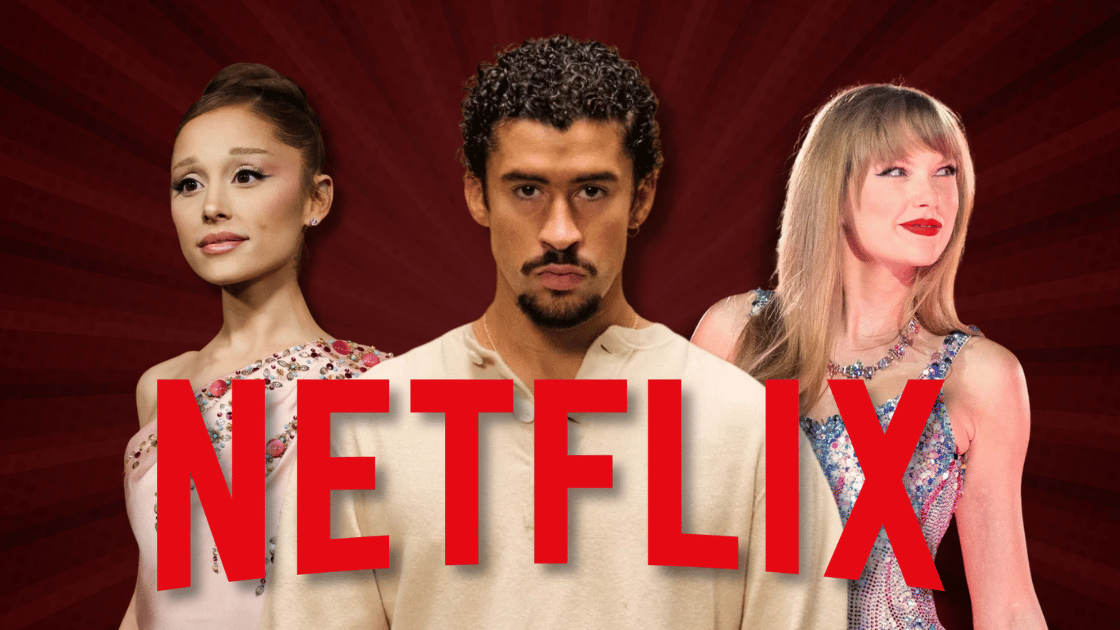
Today’s episode came from a comment by Warner Music Group’s CEO Robert Kyncl on why Netflix should add music to its platform. It makes sense for Warner, obviously, but what’s the case for Netflix?
After that, you’ll hear Epidemic Sound’s Jesper Staffas make a bold prediction on the growing role that legal staff will continue to serve at record labels.
Listen here or read below for more on whether Netflix should add music.
Here’s Robert Kyncl’s quote from Semafor’s Mixed Signals podcast:
Netflix is missing one huge content lever in their fight with YouTube, which is music. All of the music on YouTube is not exclusive. All the music videos of everything, the entire history of music, including concerts and different versions, they’re all non-exclusive. And I think when I was at YouTube, obviously music was a massive portion of YouTube and a big contributor to its growth. And that’s one of the things that’s missing on Netflix…. I would simply license all the same music that YouTube is licensing… It would be the single largest content ingestion that anybody could go through.”
When I first saw the video, I dismissed the idea.
Netflix’s economics are very different from music streaming. Netflix generally pays to produce or license programming upfront, then sells access to that content on an ongoing basis. It isn’t handing a majority of the revenue generated back to the IP owners every time a movie or TV show gets watched.
In music streaming, the more music gets consumed, the more the platform owes rights holders. Why would Netflix want to enter a business with that type of variable cost structure?
But there are a few reasons why Kyncl’s argument is interesting.
First, Netflix’s biggest competitor is now YouTube. Netflix’s push into video podcasts reflects that. But according to Omdia, video podcasts account for just 6% of YouTube watch time. Meanwhile, music videos account for 33%! All those video podcasts are a drop in the bucket compared to music videos. It’s hard to meaningfully compete with YouTube for viewing time without also having access to one of YouTube’s biggest categories.
Music videos are also aligned with Netflix’s advertising goals. Ads can run before or after a 3-to-5-minute music video without feeling as disruptive as they often do in the middle of a movie or an episode of your favorite show.
Music could also give Netflix something it has historically had less of: repeatable content that gives people a reason to open the app every day. Your favorite TV series may keep you coming back for a few weeks. Your favorite song can bring you back hundreds of times. To be fair, the consumer behavior around watching a five-minute music video is very different from sitting down to watch a Netflix show. But repeatable content is still valuable to the platform. Netflix just renewed its license to stream Seinfeld for another five years.
Of course, the cost structure could still be a major challenge. Music licensing agreements between labels and streaming services often include large upfront advances that are recouped against future royalties. That at least gives Netflix a familiar starting point: a large guaranteed payment to secure a catalog of content. But an advance doesn’t eliminate the underlying variable economics. If usage becomes large enough to burn through that guarantee, Netflix could still owe more based on consumption.
That’s different from the type of fixed licensing economics Netflix is accustomed to. That tension is a big reason I still have questions about Netflix simply licensing the entire music catalog that YouTube has.
There’s also another issue: would Netflix really pay billions of dollars to offer access to music that most of its subscribers can already get somewhere else?
Netflix could do that. But the more “Netflix” approach would be to do that while making the music offering feel unique. Imagine if Jay-Z releases his next album on Netflix alongside a documentary, behind-the-scenes footage from his Yankee Stadium shows, music videos, and maybe even a live broadcast of one of the concerts.
Now that’s compelling. It turns an album release into an event. It gives Netflix something exclusive. And it’s much more consistent with how Netflix has approached sports, live events, and other premium programming.
There are really two separate questions here. Should Netflix become another destination where you can watch essentially the same music catalog that already exists on YouTube?
Maybe. But should Netflix become a much bigger destination for music, with music videos, concerts, documentaries, live performances, visual albums, and exclusive artist releases, and all the other music-oriented content that Netflix already creates?
That feels more likely if Netflix goes this route.
This is just part of what I discussed on the episode. You should listen for more on:
• How Netflix can package music even better than YouTube
• How music videos worked on Spotify, Prime Video, and Facebook
• My prediction for how this will all play out
Listen here: Spotify | Apple Podcasts | Overcast